The Villages Weather by Month: What to Expect All Year
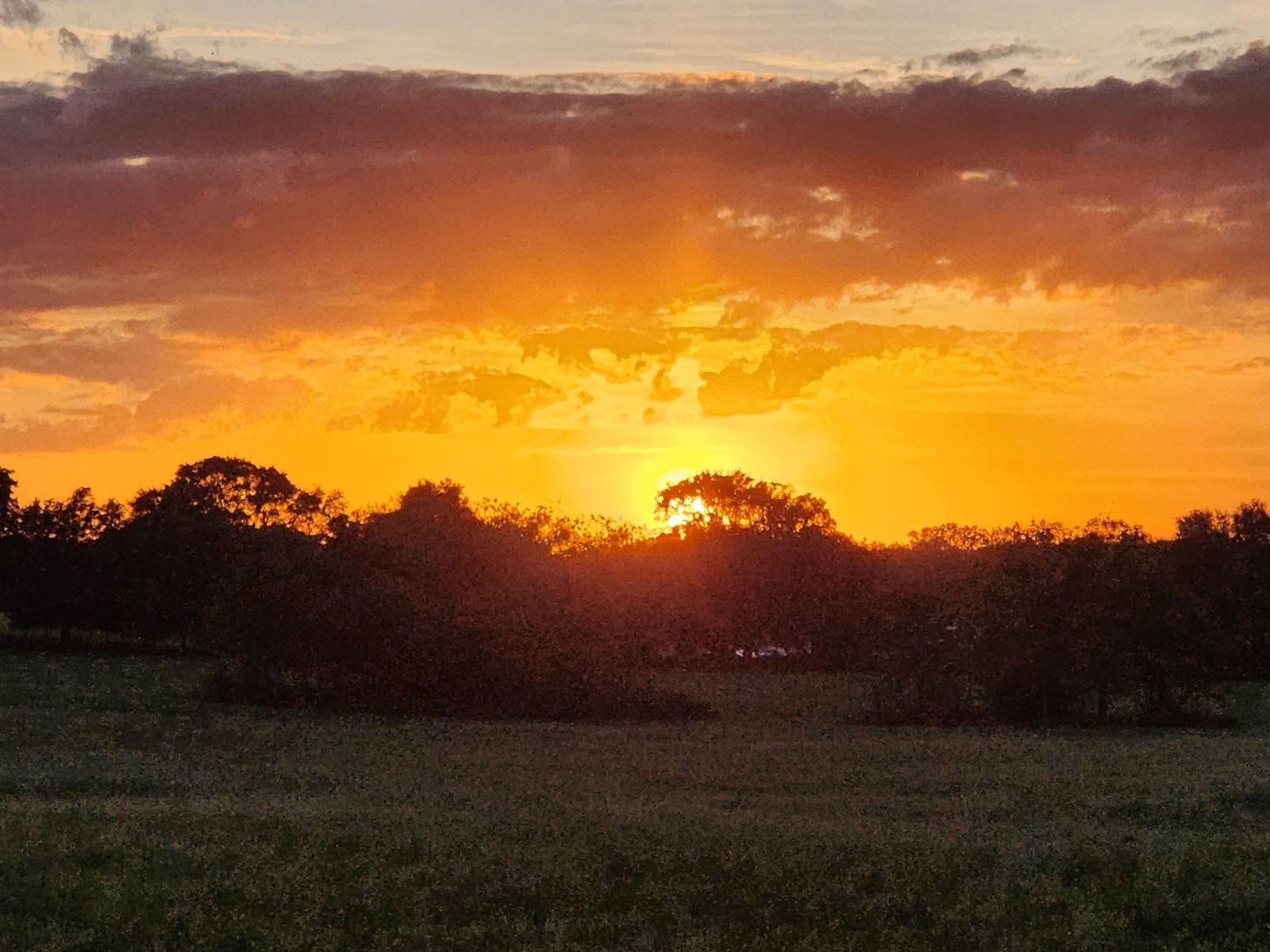
The short answer: The Villages has mild, mostly dry winters with highs around 70°F, and long, hot, humid summers with highs in the low 90s and afternoon thunderstorms most days. Most of the year’s rain falls from June through September, and hurricane season runs June 1 through November 30. If you’re planning a visit, a move or a home purchase, the time of year shapes a lot more than what you pack.
I live in The Villages, and I built my own home here, so I’ve seen every season from the homeowner’s side. Here’s what each month is really like, and what it means if you’re buying, selling or owning a home.
Average temperatures and rainfall by month
These are long-term averages from the closest official weather station, at Leesburg International Airport. Any given year can run warmer, cooler, wetter or drier.
| Month | Average high | Average low | Average rain |
|---|---|---|---|
| January | 70°F | 49°F | 2.2 in |
| February | 74°F | 52°F | 1.8 in |
| March | 78°F | 56°F | 2.4 in |
| April | 84°F | 63°F | 2.0 in |
| May | 89°F | 68°F | 3.4 in |
| June | 91°F | 74°F | 6.6 in |
| July | 92°F | 75°F | 6.2 in |
| August | 92°F | 76°F | 6.6 in |
| September | 90°F | 74°F | 4.7 in |
| October | 85°F | 67°F | 2.1 in |
| November | 78°F | 57°F | 1.7 in |
| December | 74°F | 54°F | 1.7 in |
Winter: December through February
Winter is the season most people picture when they think of The Villages. Days are usually sunny and in the 70s, rain is light, and humidity is low. Nights are cooler than many newcomers expect. Lows average around 50°F, and when a cold front comes through, a few nights can drop into the 30s. Keep a jacket handy for evening golf cart rides.
For buyers: this is when many seasonal residents and visitors are in town, so it’s a popular time to tour homes. Plan your showings early and come pre-approved so you can act when the right home comes up.
For sellers: more people are here to see your home in person. Good photos still matter, because many buyers start their search online before they ever visit.
Spring: March through May
Spring warms up quickly. March is comfortable, April is often one of the nicest months of the year, and by May highs are close to 90°F. Rain stays fairly light until late May, when the humidity starts to build.
For homeowners: spring is the time to get ready for summer. Have your air conditioning serviced before the first long stretch of 90-degree days, clean gutters and check your roof before the rainy season.
For seasonal residents: if you head north for the summer, spring is when to set up your home for being away. That usually means an AC and humidity plan, someone to check on the house, and a plan for hurricane season.
Summer: June through September
Summer is hot and humid. Highs sit in the low 90s, and the heat index often feels warmer. Most afternoons bring a thunderstorm that builds quickly, rains hard and moves on within an hour or so. June through September brings more rain than the other eight months combined. Lightning is common, so plan golf, pickleball and pool time for the morning.
Hurricane season officially runs June 1 through November 30. According to NOAA, the busiest stretch is usually August through October. Every homeowner should have a plan before the season starts.
For buyers: summer is a good time to see how a home really handles Florida conditions. Notice how well it cools, how the yard drains after a storm and whether the lanai stays usable in the afternoon heat. Ask about the roof’s age, the AC system’s age and any wind mitigation features, since these affect both comfort and insurance.
For homeowners: review your insurance coverage and deductibles before the season is in full swing. Keep a basic storm kit and know how you’ll secure outdoor furniture and lanai items if a storm is forecast.
Fall: October and November
Fall is when the area starts to feel like winter is coming. October is still warm, but the humidity drops and the rain eases off. November is typically one of the driest months of the year, with highs in the upper 70s. Hurricane season continues through November 30, though storms are less common late in the season.
For seasonal residents: this is when many people return. If your home has been closed up for the summer, check for humidity or mildew, run water through every faucet and confirm the AC is working normally.
For buyers and sellers: fall is a good time to get organized before winter. Buyers can get pre-approved and narrow down the villages they want to see. Sellers can handle repairs and photos so the home is ready to list.
Frequently asked questions
What is the best month to visit The Villages?
For comfortable weather, March, April, October and November are hard to beat. If you want to see the community at its busiest, January through March is when the most seasonal residents are here.
Does it ever freeze in The Villages?
Occasionally. Average winter lows are around 50°F, but cold fronts can bring a few nights near freezing. It’s worth knowing how to protect outdoor plants on those nights.
When is the rainy season?
Roughly June through September. Rain usually comes as short afternoon storms rather than all-day rain.
When is hurricane season?
June 1 through November 30, with the most activity usually from August through October.
Thinking about a home here?
Weather is one piece of the decision. If you’re thinking about buying in The Villages, browse my current listings. When you’re ready to talk through timing, send me a message or call me at (352) 492-1601.
Greg Szablewski, Realtor, Worth Clark Realty